- News
An old NASA science satellite is no more
Marcia Dunn Wednesday 11 March 2026 20:59 GMT- Bookmark
Bookmark popover
Removed from bookmarks
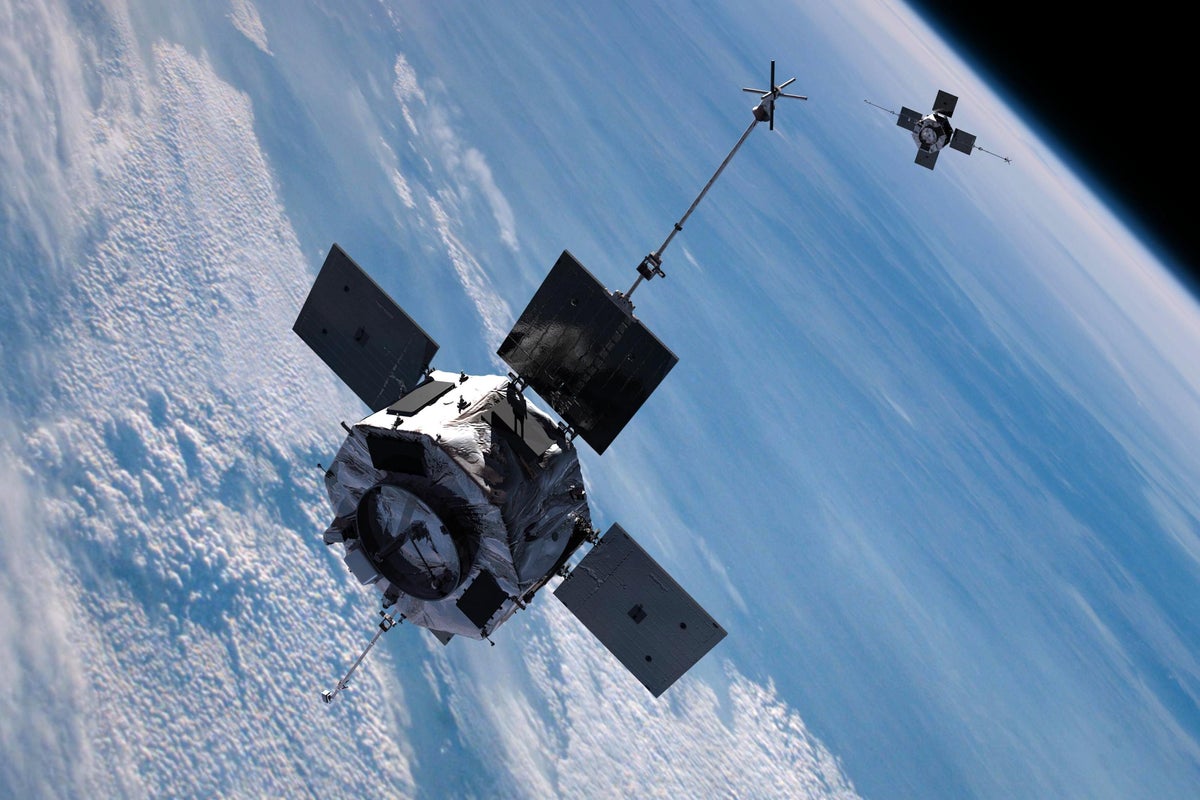
Close popover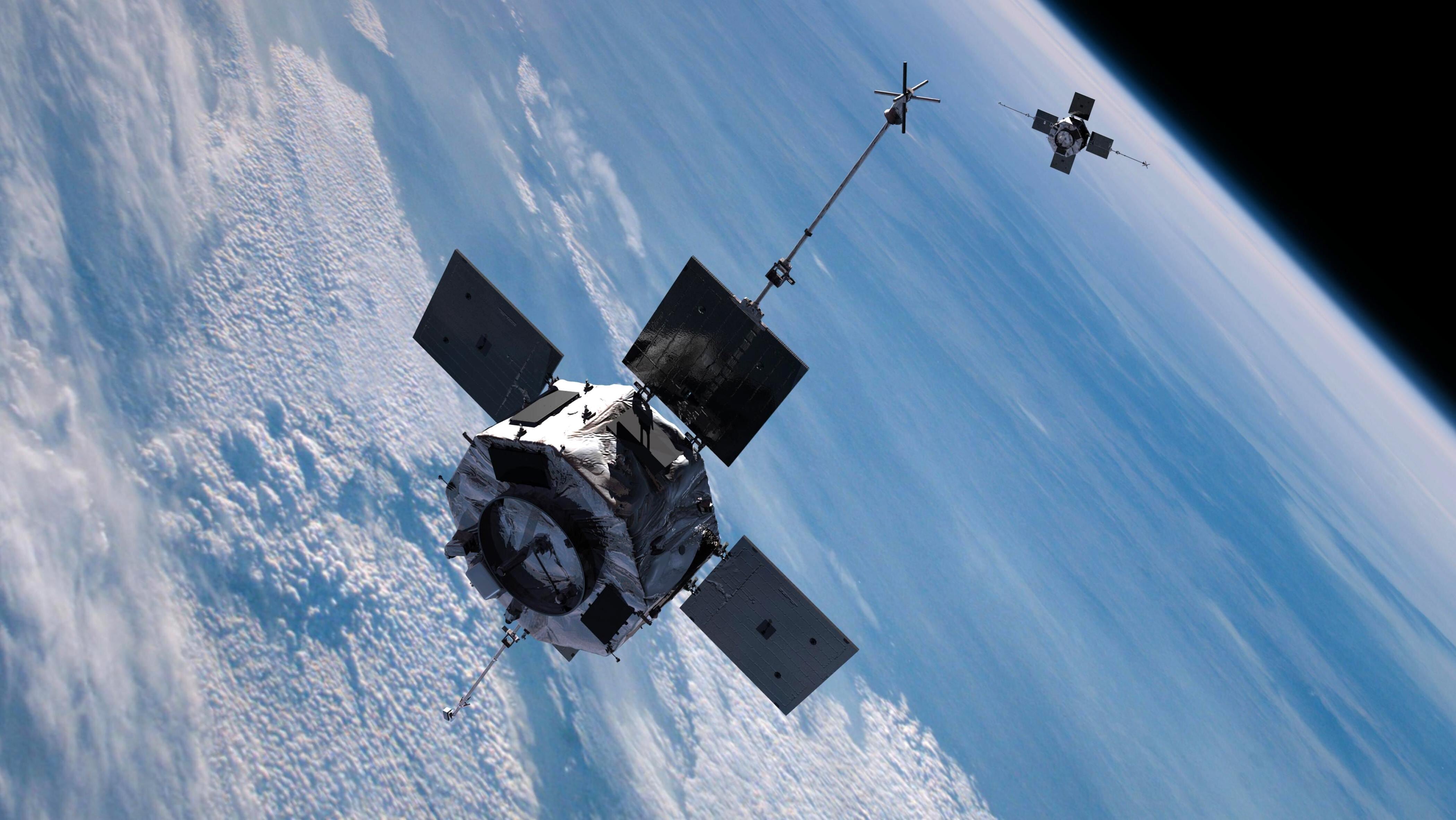 NASA-Reentering Spacecraft. (JHU/APL/NASA )
For free real time breaking news alerts sent straight to your inbox sign up to our breaking news emails
Sign up to our free breaking news emails
Sign up to our free breaking news emails
Email*SIGN UPI would like to be emailed about offers, events and updates from The Independent. Read our Privacy notice
An old NASA science satellite plunged uncontrolled from orbit and reentered over the Pacific on Wednesday.
The U.S. Space Force said the Van Allen Probe A came in west of the Galapagos Islands.
NASA expected some of the 1,323-pound (600-kilogram) spacecraft to survive entry, with most of it burning up in the atmosphere. The space agency put the risk of bodily harm at 1-in-4,200.
Its twin, the Van Allen Probe B, is still orbiting Earth, but no longer functioning.
Launched in 2012, the two spacecraft flew through the Van Allen radiation belts that surround Earth, studying them for seven years before ceasing operation.
When the satellites ran out of fuel in 2019, NASA anticipated them remaining in orbit until 2034. But the intense solar activity over the past several years hastened the A probe's demise, the space agency said. The B probe is not expected to reenter before 2030.
Dutch scientist Marco Langbroek said all re-entries are difficult to predict, but this one was especially challenging given its eccentric, lopsided orbit.
___
The Associated Press Health and Science Department receives support from the Howard Hughes Medical Institute’s Department of Science Education and the Robert Wood Johnson Foundation. The AP is solely responsible for all content.